© 2026 AnChain.AI. All Rights Reserved | Privacy Policy



Losing cryptocurrency to an investment scam can leave victims with more than missing funds: they also need evidence of what happened. AnChain.AI helps victims trace stolen crypto and prepare blockchain forensic reports that their tax professionals can use to evaluate and substantiate potential tax deductions.
Certain investment scams may qualify for a theft-loss deduction under the IRS Section 165(c)(2). The IRS identifies three key conditions: criminal theft under applicable state law, a transaction entered into for profit, and no reasonable prospect of recovering the claimed amount. Timing matters: the deduction generally belongs to the discovery year, subject to recovery prospects at year-end.
Read more: “Allowance of Theft Losses for Victims of Scams Under I.R.C. Section 165” IRS guidance · IRS scam-loss memorandum.
A qualifying investment theft is not subject to the $3,000 annual net capital-loss limit against ordinary income. Ordinary capital losses first offset capital gains; unused net losses generally carry forward after the annual allowance. Personal scam losses remain generally restricted, and an unsold token’s price decline alone does not establish a deductible loss. IRS capital-loss rules · Investment theft guidance · Crypto loss guidance.
A forensic report connects the victim’s records to verifiable blockchain activity. Depending on the engagement and available evidence, AnChain.AI can help:
The objective is a clear, reviewable account of the loss and the evidence supporting it.
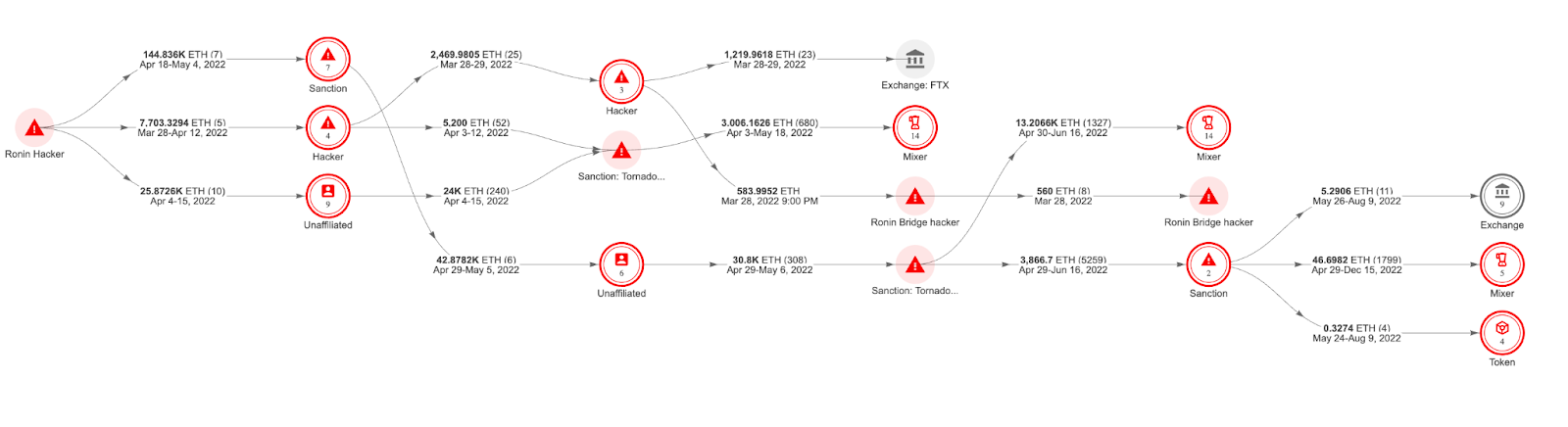
Figure 1. AnChain.AI AutoTrace visualizes onward fund movements. Historical labels are reproduced as published, not as current sanctions determinations. Source.
The same stolen assets may move through many wallets. Those transfers help explain the fund flow but must not be counted as separate losses. Investigators distinguish verified transactions from attribution estimates and document gaps in the available records.
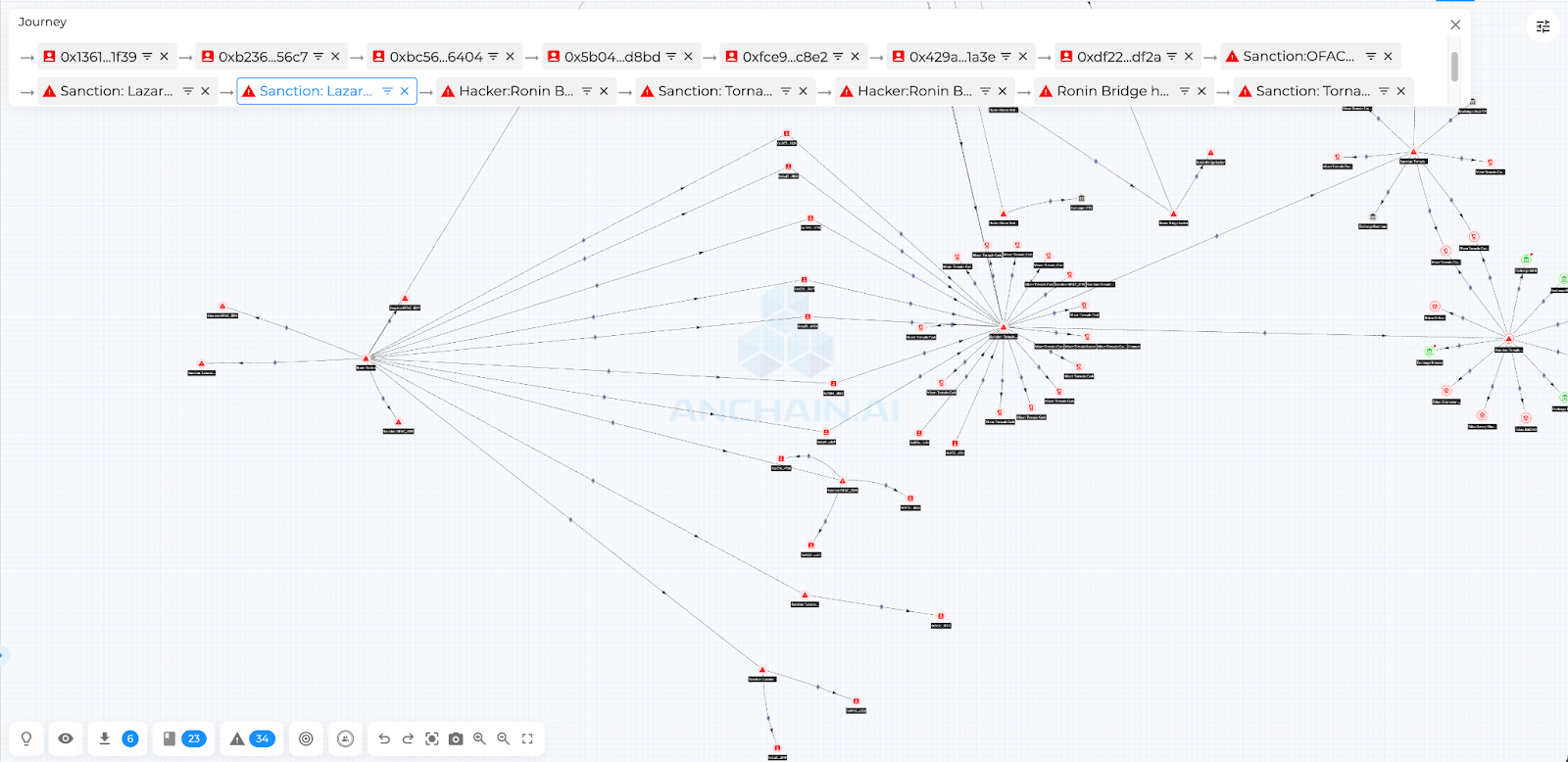
Figure 2. AnChain.AI investigation graph connects transactions and potential destinations. Source.
AnChain.AI combines AI-assisted tracing and reporting with investigator review to organize transaction evidence into a readable forensic narrative. Wallet flows, source records, and recovery leads give the tax professional a stronger factual basis for assessing the claim.
A report should disclose both recovery obstacles and viable leads. Funds reaching an exchange may create an investigative opportunity; an empty wallet does not, by itself, prove that recovery is unlikely.
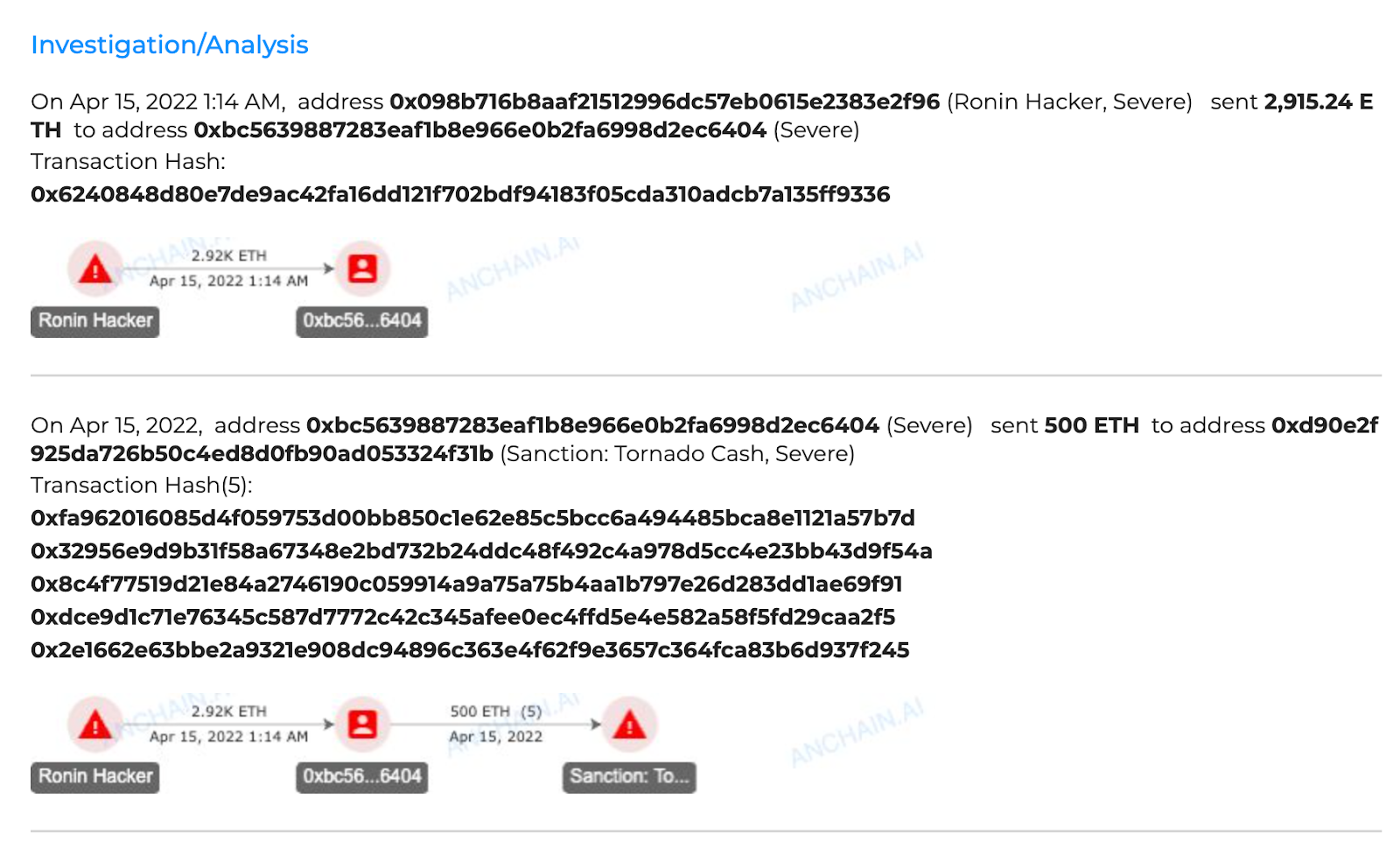
Figure 3. AnChain.AI AutoReport links findings to addresses, amounts, transaction hashes, and flow diagrams. All three figures are historical investigation examples, not IRS-approved tax reports. Source.
In a simplified example, assume a tax professional establishes a $90,000 qualifying deduction after accounting for basis and recoveries. If the entire additional deduction offsets income otherwise taxed at 24%, the illustrative federal tax reduction is $21,600. Actual savings depend on the return; a deduction is not reimbursement of the stolen funds. Fictitious platform profits do not automatically increase the deductible amount. IRS investment-loss guidance.
Your tax professional determines eligibility, the deduction year, and the appropriate filing, generally starting with Form 4684 Section B for investment theft. The forensic report supports that process, with exhibits attached or retained as appropriate. Form 4684 instructions.
AnChain.AI helps document your loss with blockchain forensic evidence to support recovery efforts and your tax adviser’s evaluation of a potential deduction.
Tax eligibility and savings depend on your circumstances and applicable law.
Disclaimer: General U.S. federal tax information, not tax or legal advice. AnChain.AI provides forensic evidence; a qualified tax professional determines deductibility. No deduction, refund, or IRS acceptance is guaranteed.
© 2026 AnChain.AI. All Rights Reserved | Privacy Policy